Trusted Food Safety Company
Brampton food hygiene and commercial cleaning experts help you keep restaurants, food distribution centers, bakeries, warehouses, and mobile food operations sanitized to standards. They disinfect frequently contacted surfaces, food-contact surfaces, equipment, floors, drains, restrooms, and food prep areas using approved chemicals, proper concentration, and documented contact times. in maintaining restaurants, commissaries, baking operations, warehouses, and mobile food operations in compliance. They sanitize frequently touched areas, food-contact surfaces, equipment, floors, drains, restrooms, and prep areas using certified sanitizers, proper dilution, and recorded contact times.
Main Points
- Sanitation specialists from Brampton service restaurants, grocery departments, commissaries, warehouses, bakeries, schools, mobile vendors, and allergen-sensitive operations.
- Frequently contacted areas, food-contact equipment, kitchens, floors, drains, restrooms, and storage areas are cleaned using zone-based workflows to prevent cross-contamination.
- Logging of finishing through checks, assessments, and action records validates trained specialists have verified proper chemical concentration, suitability, and contact time.
- Risk, throughput, transitions, releases, and guidelines should guide hygiene schedules, with daily, regular, and cyclical operations distributed by area.
- Prioritize suppliers exhibiting HACCP, public-health expertise, WHMIS preparation, insurance, references, color-categorized implements, and assessment-ready maintenance records.
Food Safety Cleaning Requirements for Brampton Venues
Food safety cleaning is required for any Brampton facility that handles, maintains, prepares, packages, or offers food. Apply it to your business if it is subject to public health review, food regulations, or HACCP protocols. This includes eateries, cafes, warehouses, supermarket areas, meat markets, fish stands, convenience outlets, and institutional food areas.
You'll furthermore need documented food sanitation in storage centers, processing facilities, refrigerated warehouses, bakery retailers, school nutrition programs, event halls, and delivery centers. Mobile and temporary operations are included, like food trucks, festival vendors, and pop-up establishments. Should your team prepare supplies, portion finished foods, reheat items, or manage allergen inventory, your facility requires documented cleaning protocols. In Brampton, food safety is required; it comprises legal, operational, and consumer protection compliance.
What Services Do Brampton Cleaning Experts Provide?
Professional cleaning services specializing in Brampton disinfect high-contact surfaces, kitchen facilities, ground surfaces, and sanitary facilities to satisfy food safety standards and health requirements. Focus on these locations occurs because they pose maximum contamination danger, injury hazards, and possible regulatory violations.
Understanding their cleaning procedures enables you to validate your facility's cleaning meets operational demands and regulatory compliance.
Focusing on High-Touch Surface Cleaning
Controlling high-touch surface sterilization is vital for Brampton maintenance teams because frequently touched zones can transmit microbes and organic matter around a facility. You should establish a written protocol for cleaning door handles, push plates, switches, railings, shared equipment controls, POS terminals, and refrigerator pulls. Applying surface identification mapping, specialists determine every regularly used zone and determine cleaning schedule
verify proper cleaning
Food Prep Areas, Flooring, and Sanitary Facilities
Professional cleaners in Brampton prioritize kitchens, floors, and restrooms detailed article given that each location involves specific contamination control, falling hazards, and health code requirements. In industrial kitchens, you need degreasing on cook lines, equipment exteriors, drains, prep surfaces, and splash zones to reduce bacterial growth and pest activity.
Floor care that is recorded should equally be anticipated. Technicians scrub and extract buildup from tile grout, ceramic surfaces, and vinyl floors, then apply correct drying techniques so you can reduce slip incidents and meet regulatory standards. They also handle entryways where moisture and debris migrate indoors.
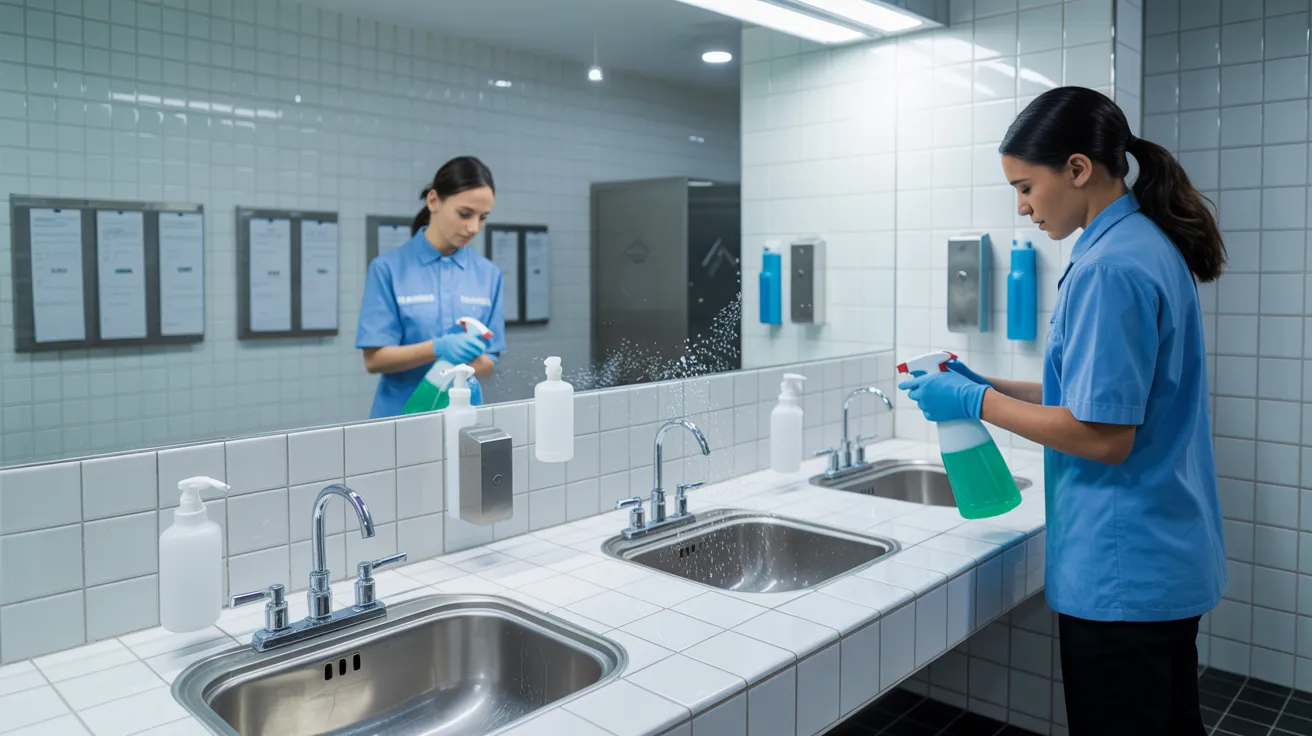
Restroom sanitation requires disinfecting touch areas, bathroom equipment, stall barriers, supply stations, and bins, restocking supplies and controlling odours. They also maintain restaurant cleaning supply rooms where product storage, sink cleanliness, and drain systems impact daily sanitation standards and worker protection.
The Importance of Food Safety Cleaning in Brampton
In Brampton, you must maintain sanitary cleaning practices to satisfy health code requirements and achieve compliance. You also reduce bacterial spread through proper cleaning of food-preparation surfaces, appliances, and frequently-touched items. Most importantly, you help protect community wellness by reducing the chance of food poisoning in your establishment.
Regulatory Code Requirements
Food businesses in Brampton face mandatory safety protocols, making food safety cleaning critical to fulfilling health code requirements, defending patrons, and preventing enforcement action. You must maintain clean food preparation areas, documented cleaning schedules, proper chemical use, and verifiable staff procedures that correspond to municipal and provincial inspection expectations.
Failure to maintain cleaning standards results in notices, remedial directives, loss of reputation, and potential disruption during subsequent audits or regulatory actions.
Cross-Contamination Avoidance
Adhering to health code standards requires your expertise in stopping cross-contamination throughout routine preparation and sanitation work. You need to isolate uncooked items from finished products, sanitize work stations after each task, and keep chemicals away from food-contact items. Structured procedures reduce transfer risks and maintain ongoing regulatory adherence.
Building allergen isolation prevents priority allergens from contacting shared surfaces, containers, or equipment. Utilize dedicated cutting boards, color-coded tools, and strict utensil labeling so staff don't mix items in cooking or serving.Enforce handwashing after handling uncooked meats, shellfish, egg items, or allergen substances. Swap wiping cloths regularly, and confirm sanitizer strength with test strips. When you train staff to follow these controls each shift, you create a cleaner, safer operation that exceeds Brampton's safety standards daily.
Community Health Protection
When sanitation protocols breaks down, you don't just risk a failed inspection—you increase the chance of foodborne illness affecting customers, staff, and the wider Brampton community. You also undermine your responsibility in safeguarding community wellness, especially in busy food facilities where pathogens travel quickly through surfaces, equipment, and touchpoints.
You require cleaning protocols that eliminate soils, sanitize effectively, and confirm results. This requires following contact periods, selecting approved disinfectants, logging schedules, and educating staff to meet regulatory requirements. These measures prevent illness spread by minimizing pathogens before contaminating food or hands. Throughout Brampton, effective sanitation safeguards susceptible populations, reduces outbreak risk, and demonstrates your diligence. When you follow proper protocols, you go beyond requirements—you lower hazards and enable safer food service throughout the area.
How Does Cleaning Support Food Safety Compliance?
Upholding strict sanitation practices bolsters food safety compliance by decreasing contamination threats, limiting pathogen development, and keeping your facility aligned with sanitation requirements under HACCP-based programs and public health regulations. You confirm that product-contact areas remain visibly clean and microbiologically controlled, backing documented preventive controls and inspection readiness.
Proper cleaning procedures also improve allergen mitigation by removing residues that can lead to undeclared allergen exposure.
Establishing When to Plan Commercial Cleaning
Step up cleaning frequency during peak production, product changeovers, spillage occurrences, and after maintenance work.
Establish every week or monthly service for drains, vents, storage racks, and hard-to-reach equipment zones, guided by inspection findings and sanitation records. Reserve seasonal deep cleaning to cover shutdowns, weather-related soil buildup, or pest-pressure periods
What Should You Look For in Brampton Cleaning Experts?
Evaluate providers first by food-safe sanitation requirements rather than cost. You must ensure each provider understands CFIA, public health, and HACCP requirements for your business. Request insurance proof, WHMIS compliance, staff training documentation, and supervision methods. Check technician understanding of cross-contamination risks, chemical safety, and documented sanitation practices.
You must also evaluate operational reliability and oversight. Seek references from food facilities in Brampton, then assess response times, corrective-action procedures, and communication quality. Ensure the company enables supplier checks and can provide inspection-compliant records when authorities or third parties demand verification. Verify equipment care, color-coded items are deployed correctly, and site-specific hazards are understood. A reputable service protects compliance, product integrity, and your brand reputation.
What's included in a sanitation cleaning strategy?
Put together a written program that clarifies every sanitation duty, standard, and accountability ahead of production commencement. You should specify cleaning intervals, permitted substances, dilution percentages, exposure times, instruments, and inspection methods for each sector, surface, and equipment. Make sure to include pre-operational inspections, corrective actions, and employee training requirements.
Your plan should also address prevention of contamination, waste management, pest-control tactics, and scheduled records for restrooms, drains, floors, and food-contact areas. Outline how you'll distinguish between uncooked and prepared items, support ingredient tracking, and keep accurate allergen labeling through validated cleaning between product changes. You should establish accountability, document signed records, and assess results against regulatory standards, HACCP controls, and customer requirements. When gaps appear, update procedures immediately and instruct staff.
Commonly Requested Questions
Will sanitation providers handle overnight shifts at Brampton properties?
If you run controlled spaces, you'll also require documentation that enable audits and ensure compliance.
Are hazard containment solutions provided from sanitation professionals?
Yes, you can find Brampton sanitation professionals to provide emergency spill response services. They handle hazard containment, assess risks, contain contamination, and begin swift cleanup to reduce exposure and operational disruption. You should verify arrival timeframes, professional credentials, safety procedures, and disposal procedures. If your facility must comply with industry standards, choose a provider that documents incidents, follows compliant sanitation standards, and supports audit readiness.
Will eco-friendly disinfectants sanitize safely surfaces contacting food?
Yes, eco-friendly disinfectants can be safe for food-handling equipment if you select items marked food-safe and regulatory compliant. You should check exposure duration, mixing proportions, and rinsing needs before use. Many plant-derived products decrease toxic chemical contact, but you still need proof of efficacy against relevant pathogens. To preserve residue-free areas, you should follow manufacturer instructions exactly and confirm the cleaning agent meets relevant food safety standards.
Can cleaning schedules adapt with seasonal shifts?
Without question, sanitation programs adapt well for seasonal production changes. Adapt schedules, staffing, chemicals, and confirmation procedures to match production rhythms while sustaining regulatory requirements. Minimize operational delays by planning cleaning amid equipment transitions, high demand periods, and usage cycles. Further modify procedural documents, staff education, and environmental testing to account for transient threats, additional allergens, or increased soiling. Regular reviews maintain your plan effective.
Will commercial cleaners train your staff on sanitation best practices?
Certainly, professional cleaning experts coach your employees on sanitation best practices. You secure staff training on correct chemical practices, contact times, contamination control, equipment disassembly, and documentation. They generally coordinate instruction with HACCP, GMP, and CFIA or local public health standards. Many also run sanitation audits to verify compliance, uncover shortcomings, and strengthen corrective measures. This enables you to maintain consistent procedures, pass inspections, and minimize foodborne pathogen risks every day.
Closing Remarks
Partnering with Brampton food safety and commercial cleaning professionals goes beyond tidying—it ensures your facility meets inspection standards and your standards are defensible. From kitchen areas to production zones, each cleaned area and organized section lessens contamination risk and avoids costly disruptions. By arranging service on appropriate schedules and implementing a thorough cleaning program, you shield your workforce, clients, and your reputation. In a heavily regulated sector, sanitary conditions can't be overlooked—they're critical to business success.